For 14 years I worked my way up – from project manager to director. I led a diverse team, including mothers working part-time. After my daughter was born, I myself worked on a 30-hour contract for almost 10 years.
It was hard. And it worked.
I loved my job. I was flexible for international customer calls and there in the evening when a customer in the US went live. We were judged on results – and I delivered them.
For two years now I’ve been looking for a new adventure. And what I see is double discrimination.
Filtered out twiceExperience is the foundation
Results, not year of birth. Experience is not a thing of the past.
Discrimination number one: age
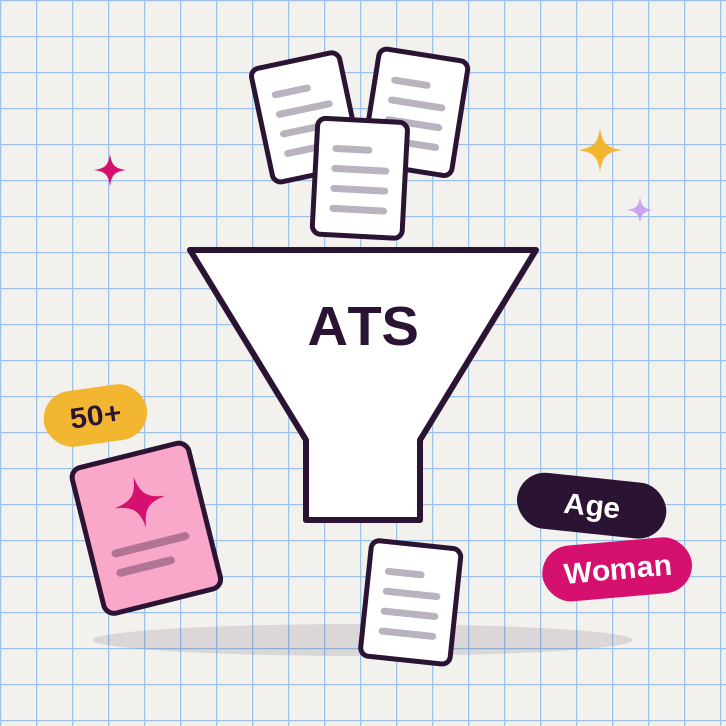
ATS filters screen out applications from a certain year of birth onwards. Sometimes there is still an interview – and then I hear that someone else was a better fit. For my last 5 applications, I looked at who got the job in the end: a clear pattern – men between 30 and 40.
Discrimination number two: gender
As a woman, you lose out either way. Too young, and they worry about parental leave. Too old, 50+, and you’re out.
I grew up believing that if you work hard enough, you’ll be recognised. And then I hear “skills shortage” – while experienced women like me hear nothing for months.
Diversity has become a buzzword that companies use to dress themselves up and advertise. But real diversity also includes people with experience, with unusual CVs, with more than 15 years in the workforce. Not just the “presentable” kind of diversity.
Remote works
Remote jobs are being cut back massively, even though we proved during Covid that it works. Worries about innovation, team culture and control are often used as an excuse – yet a lack of flexibility is usually a leadership problem, not a problem with the working model. I worked remotely for 5 years without experiencing any of these effects. Communication was there, just digital.
The classic prejudices women face
“Lack of commitment because of family”: My experience shows that flexibility on the company’s side leads to loyalty, not to absences.
“Too emotional for rational decisions”: We make decisions just as analytically – we simply also weigh up the people behind them.
“Not assertive enough”: Nobody works their way up from project manager to director without being assertive.
So how am I supposed to be?
The dilemma: if I’m empathetic, I’m too soft to lead. If I’m determined and demanding, I’m “bossy”. Men don’t get that label – they’re simply winners. So how am I supposed to be to fit into this world of work?
Experience is not a thing of the past
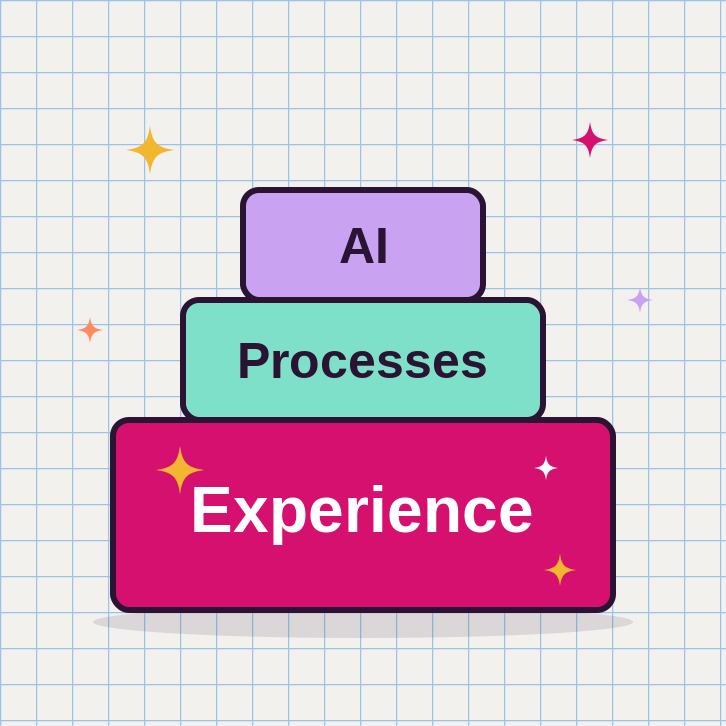
My experience counts for more than the market currently rewards: we built the processes that AI builds on today. We created customer loyalty through genuine appreciation. We went through restructurings and learned what works – and what doesn’t.
This experience is the foundation that makes everything else work. Some companies do things differently – they look at results instead of year of birth and see flexibility as a strength rather than a risk.
For these companies, I am an asset, not a footnote.
Who’s writing here? My professional self: Christiane Sevenich, 30+ years of working life, most recently Director of Customer Success. This text first appeared on LinkedIn. More about me
 DE
 EN
 FR